
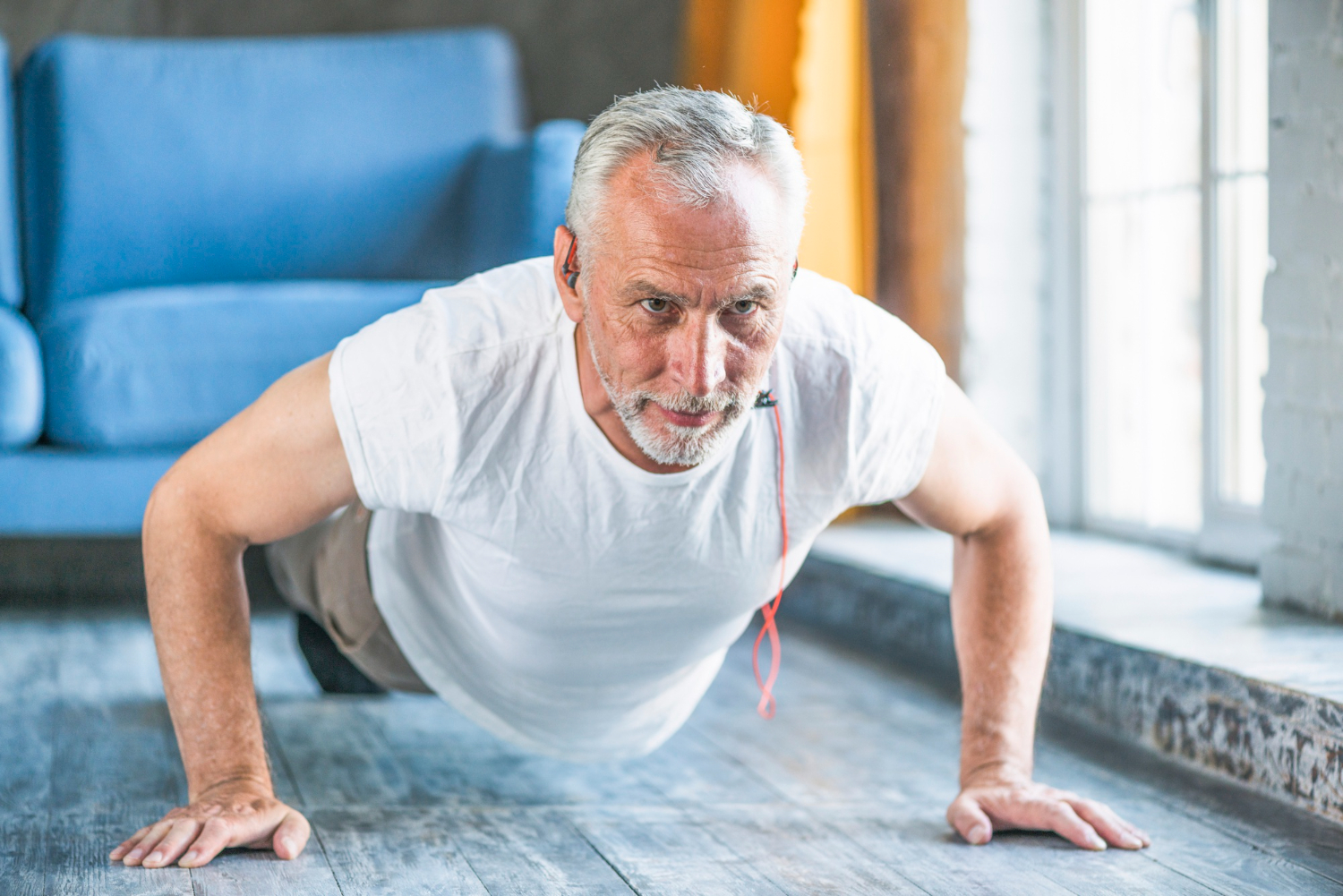
Staying active is one of the most powerful ways seniors can support longevity, independence, and overall quality of life. While aging naturally brings changes in strength, balance, and flexibility, regular exercise helps maintain physical well-being and boosts mental and emotional health. No matter your age or fitness level, it’s never too late to start.
Consistent movement keeps joints flexible, muscles strong, and daily activities—like climbing stairs, carrying groceries, and getting up from a chair—much easier.
Exercises that strengthen the legs, core, and balance can significantly reduce the risk of falls, one of the most common concerns for older adults.
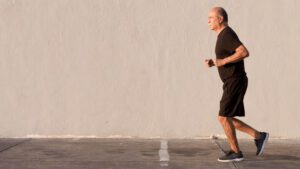
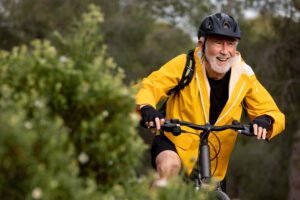
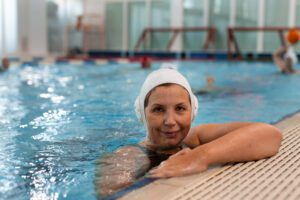
Walking, cycling, swimming, and light aerobics help lower blood pressure, support circulation, and improve overall cardiovascular function.
Strength training and weight-bearing exercises help maintain bone mass, reducing the risk of fractures and osteoporosis.
Physical activity supports brain health, improves mood, reduces anxiety, and can help slow cognitive decline.

Using body weight, light dumbbells, or resistance bands helps maintain muscle mass and supports balance and stability.
Examples:
Chair squats
Wall push-ups
Resistance band rows
Gentle stretching improves range of motion and reduces stiffness.
Examples:
Seated hamstring stretch
Upper-body stretches
Cat-cow mobility
Balance exercises lower fall risk and improve confidence.
Examples:
Single-leg stands (with support if needed)
Heel-to-toe walking
Side-to-side weight shifts
Great for cardiovascular health without straining joints.
Examples:
Brisk walking
Stationary cycling
Swimming or water aerobics
Low-impact dance classes
Begin with 10–15 minutes a day and increase time and intensity as your comfort grows.
Some muscle soreness is normal, but sharp or prolonged pain is not. Adjust movements as needed.
Gentle movement before and after exercise helps protect muscles and joints.
Aim for 150 minutes of light to moderate activity per week, plus strength training at least twice weekly.
Physical therapists, trainers specializing in senior fitness, or local community programs can offer personalized support.
Fitness for seniors is about preserving strength, mobility, and joy in daily life—not about pushing limits. With the right approach, exercise becomes a sustainable and empowering tool for healthy aging.
Staying active today supports independence tomorrow. Start small, stay consistent, and enjoy the benefits of moving your body at any age.