

Athletes of all levels know that training hard comes with risks. From muscle strains to joint injuries, the demands of sports can take a toll on the body. That’s where physical therapy in sports medicine plays a crucial role — helping athletes recover faster, prevent future injuries, and enhance overall performance.
Sports medicine is a branch of healthcare focused on fitness, athletic performance, injury prevention, and rehabilitation. It brings together multiple disciplines — including orthopedics, nutrition, exercise science, and sports physical therapy — to help athletes perform at their best while staying healthy and resilient.
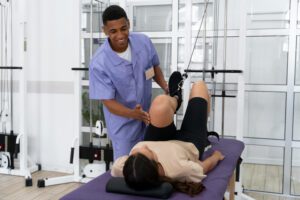
Sports physical therapy focuses on restoring and optimizing movement. Physical therapists use evidence-based techniques to correct muscle imbalances, improve flexibility, and rebuild strength after injury. Whether you’re a weekend warrior or a professional athlete, physical therapy ensures you return to your sport safely and stronger than before.

One of the most powerful aspects of physical therapy is injury prevention. Through movement assessments, strength testing, and flexibility analysis, therapists identify weak spots or imbalances that could lead to injury.
✅ Example: A physical therapist may design specific exercises to strengthen the knees and hips, reducing the risk of ACL injuries in athletes.

After an injury, sports rehabilitation becomes essential. Physical therapists develop personalized recovery programs to restore range of motion, rebuild muscle, and enhance coordination — all while promoting safe, gradual progress.
✅ Example: Following a shoulder injury, targeted exercises help rebuild rotator cuff strength and prevent future strain.
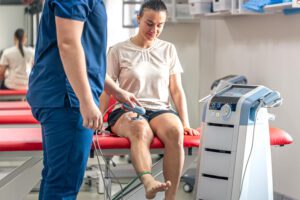
Physical therapy offers effective pain management techniques that reduce the need for medication. Therapists use treatments like manual therapy, ultrasound therapy, electrical stimulation, and therapeutic exercise to ease pain, improve circulation, and accelerate healing.

Beyond recovery, sports physical therapy plays a major role in performance enhancement. Therapists help athletes fine-tune movement mechanics, improve posture, and develop sport-specific strength and endurance.
✅ Example: Runners can improve stride efficiency and energy use through gait analysis and corrective exercises.


Physical therapists also empower athletes with knowledge about proper training techniques, warm-up and cool-down routines, and body mechanics. This education fosters self-awareness, reducing the risk of recurring injuries and promoting long-term athletic wellness.
Incorporating physical therapy into a sports routine leads to powerful results, including:
Fewer sports-related injuries
Faster and safer recovery
Improved flexibility, balance, and coordination
Enhanced athletic performance
Sustainable health and longevity
Physical therapy is the backbone of sports medicine — bridging the gap between injury and peak performance. By focusing on sports rehabilitation, injury prevention, and athletic recovery, physical therapists help athletes stay at the top of their game, season after season.
At Trendy Wellness Zone, we believe in a holistic approach to fitness and wellness. Whether you’re recovering from an injury or striving to boost performance, understanding the role of physical therapy in sports medicine is key to achieving long-term success.